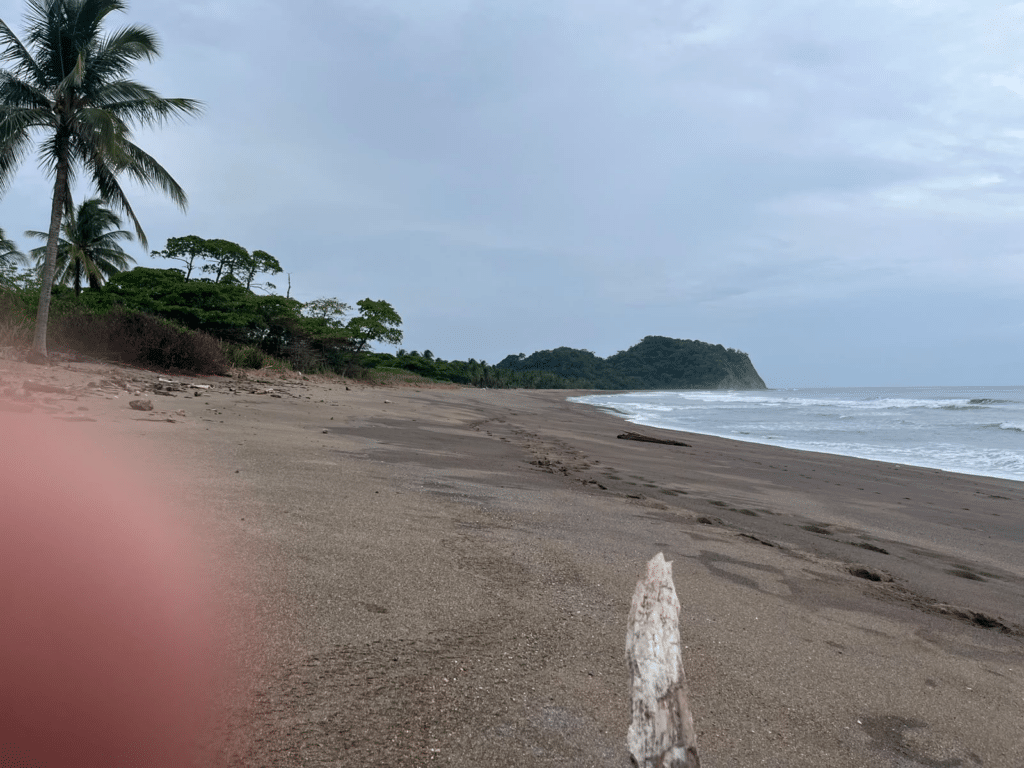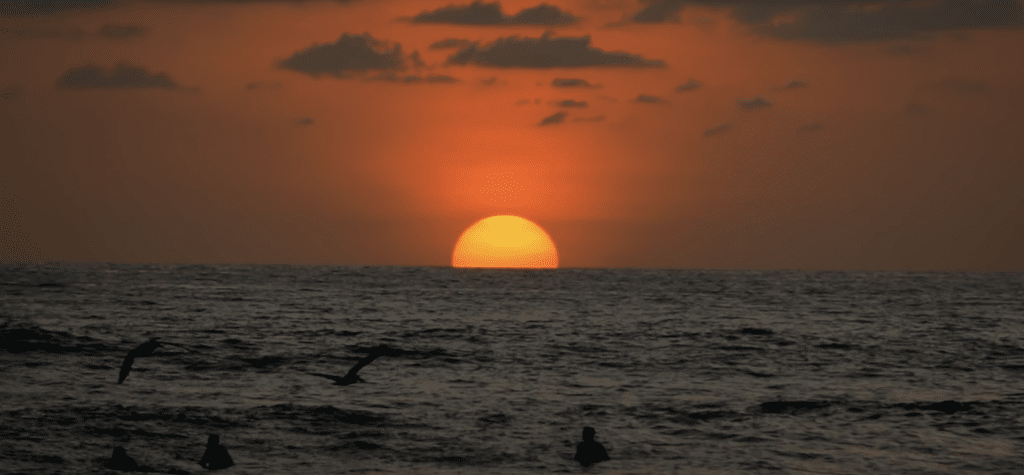
Weather Costa Rica Samara for 31.07.2026
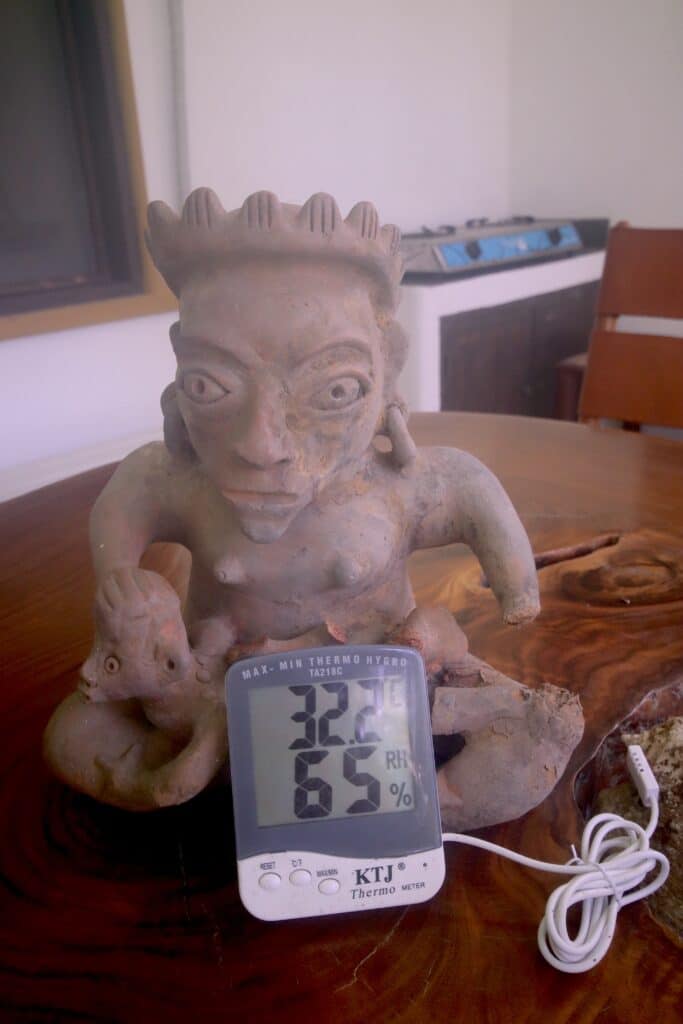
Samara, Costa Rica weather at the spirit of the Jungle Lodge- excellent
Samara, Costa Rica weather forecast for the next 3 Days
Weather for tomorrow (Friday, July 31, 2026)
in Sámara (Playa Sámara), Guanacaste, Costa Rica:
Expect hot and very humid conditions with mostly cloudy to overcast skies and a high chance of rain (often 55–94% in forecasts). Brief morning showers are possible, followed by periods of rain or maybe thunderstorms in the afternoon.
- High: around 32–33°C (89–92°F)
- Low: around 22–26°C (72–79°F)
- Wind: light from the SE/ESE, roughly 9–11 km/h (5–7 mph)
- UV Index: High (around 7)
- Sunrise: ≈ 5:32–5:33 AM local time
- Sunset: ≈ 6:05–6:06 PM local time
This is typical rainy-season weather on Costa Rica’s Pacific (Nicoya) coast—pack rain gear, stay hydrated, and watch for possible heavier afternoon showers. Forecasts can change; check a local app closer to the day for the latest. Tide times (approximate local time, CST / UTC-6; for reference only — not for navigation):
Tide times
- High: ≈ 3:49–4:02 AM (≈ 2.4–2.5 m / 7.8–8.1 ft)
- Low: ≈ 9:49–10:01 AM (≈ 0.1–0.7 m / 2.2–2.3 ft)
- High: ≈ 3:55–4:12 PM (≈ 2.5 m / 8.1–8.4 ft)
- Low: ≈ 10:08–10:18 PM (near 0 to slightly negative / ≈ 1.5–1.7 ft)
Moon:
Heights and exact times vary slightly by source. Moon:
Waning gibbous (about 94–97% illuminated; full moon was July 29). It will be bright in the evening sky. Moonrise is expected in the evening (roughly 7:45–8:30 PM range depending on exact location), with moonset in the morning. Enjoy Sámara—beautiful beach even with some rain show
Climate in Costa Rica Guanacaste
The country is located in the tropics. Between the countries Nicaragua and Panama.
Guanacaste Province in northwestern Costa Rica has a tropical savanna climate (Köppen Aw), making it the driest and hottest part of the country. It features distinct dry and rainy (“green”) seasons, consistent warmth year-round, tropical dry forests adapted to the long dry period, and generally lower humidity than other regions of Costa Rica.
Seasons
- Dry season (roughly December–April, sometimes starting in November): Little to almost no rain, abundant sunshine, clear skies, and consistent heat. This is peak tourist season, especially for beachgoers escaping northern winters. Strong winds (including the Papagayo winds) can occur. Irrigation is often needed for agriculture.
- Rainy/green season (May–November): Daily or frequent showers (often afternoon/evening), higher humidity, and greener landscapes. Mornings are frequently sunny.
- Rainfall peaks in September–October. A short “veranillo” (little summer/drier spell) can occur in July–August. Rains rarely last all day, and the area remains drier overall than southern or Caribbean parts of Costa Rica.
Temperatures
Temperatures stay warm year-round, with limited variation:
- Daytime highs typically range from about 87–96°F (30–36°C).
- Nighttime lows are usually 69–73°F (21–23°C).
- Hottest months are generally March–April (highs often near or above 95–96°F / 35°C).
- Slightly cooler averages occur in the wetter months (around 87–89°F / 31–32°C highs).
Coastal areas benefit from ocean breezes; inland or higher spots near volcanoes can feel a bit different. Ocean water temperatures stay pleasantly warm (around 80–83°F / 27–28°C).
Rainfall
Annual precipitation is relatively low for Costa Rica—typically around 40–60 inches (1,000–1,500 mm), varying by exact location (e.g., near Liberia).
Approximate monthly averages (inches, based on regional data):
Month | Avg. Rainfall (inches) |
January | 0.2 |
February | 0.4 |
March | 1.0 |
April | 2.7 |
May | 10.8 |
June | 12.8 |
July | 9.6 |
August | 12.0 |
September | 15.7 |
October | 16.0 |
November | 12.4 |
December | 1.0 |
(Data approximate and can vary by source/station; coastal areas may differ slightly from inland.)
Other Notes
- Humidity: Lower in the dry season (often 50–70%); higher in the rainy season (70–80%+).
- Winds: Stronger in the dry season (especially February).
The weather in the province of Guanacaste
is always good, because it is warm and little rain.
However, you can distinguish between rainy and dry seasons. Rainy season, for example in Guanacaste, is from May to November. During these months there is an average of 1.5 hours rain a day. Mostly in the afternoon or at night. The most rain falls in between the months October and November. In the months of December to April it stays dry. Usually there is more rain at the Atlantic side than at the Pacific.